


Spotlight on Protein
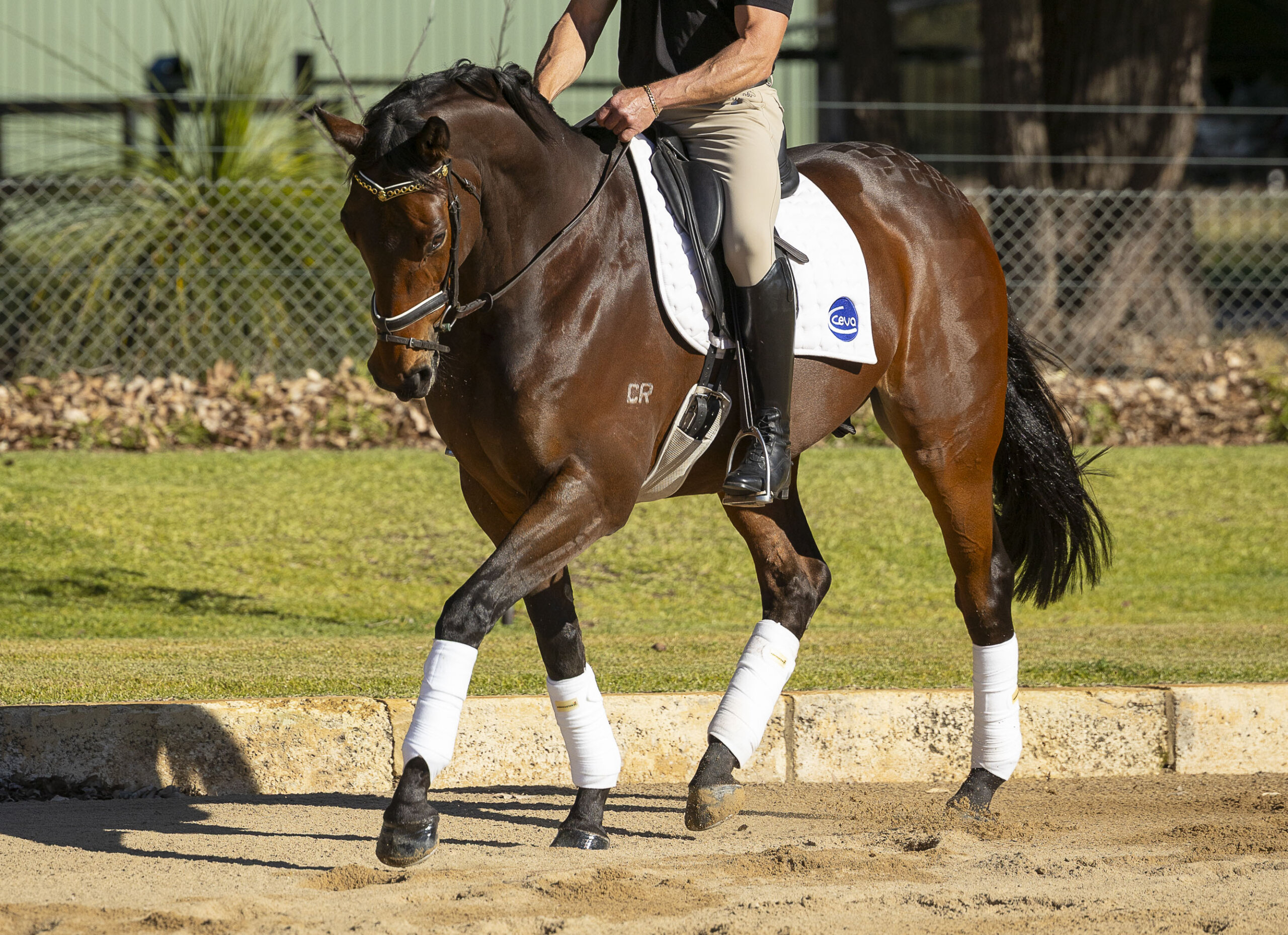
Protein is a key nutritional requirement for all horses. However, the amount, source and quality vary depending on the horses’ life-stage, workload and feeding rate. From a nutritional point of view, protein is carefully considered during the feed formulation process. Several factors influence protein source and inclusion levels, including amino acid profile and digestibility, feeding rate, and the intended class of horse. Here are some insights into how our nutritionists approach protein in our horse feeds to ensure they meet the correct profile and quality for optimum health.
Protein sources in horse feeds
The quality of the protein source is determined largely by the amino acid profile, with particular attention given to the amount of lysine, the first limiting amino acid for horses. Soybean meal is considered the gold standard for plant-based protein and is used as the reference ingredient to assess protein quality.
The most common protein sources are oilseed meals, such as soybean meal and canola meal. These are ideal as they deliver concentrated protein in relatively small inclusion rate, due to their high crude protein content and favourable amino acid profiles. Soybean meal contains more lysine than other common plant protein sources, while canola and sunflower meal provide higher levels of the amino acids methionine and cysteine.
Other protein sources, such as lupins, peas and lucerne, are dual purpose, providing both energy and protein sources. These ingredients provide moderate crude protein levels and lower concentrations of essential amino acids and are often included at higher rates than oilseed meals to help contribute to both energy density and protein specifications. Other feedstuffs, such as grain and roughages will also contribute lower levels of protein to the overall diet.
Quality is key
Horses have a nutritional requirement for both crude protein and specific amino acids. This highlights the importance of balancing total dietary protein with the essential amino acid profile to provide the necessary building blocks for protein synthesis. Our nutritionists carefully assess ingredients and use specific amino acids to minimise excess crude protein in the diet, benefiting both the horse and the environment while still supplying essential amino acids to support health and performance.
Amino acids
Threonine is considered the second most limiting amino acid in equine diets followed by methionine. Pinpointing optimum requirements for these amino acids is still needed, however research links positive health and performance benefits with amino acid supplementation. In addition to their roles in protein synthesis, some amino acids participate in essential metabolic processes. These are considered “functional” amino acids, such as methionine, arginine, tryptophan, leucine, and glutamine. These amino acids have attracted more recent Interest due to their roles in promoting growth, health, and immunity.
How much protein does your horse need?
Protein requirements vary depending on the horse’s age, workload and physiological status. Lactating mares, foals, weanlings and yearlings have higher requirements for protein than mature horses. Likewise, as they age, geriatric horses have an increased protein requirement. A ration analysis can help to determine a balanced diet, including adequate protein, for your horse.