


Digestive Buffering
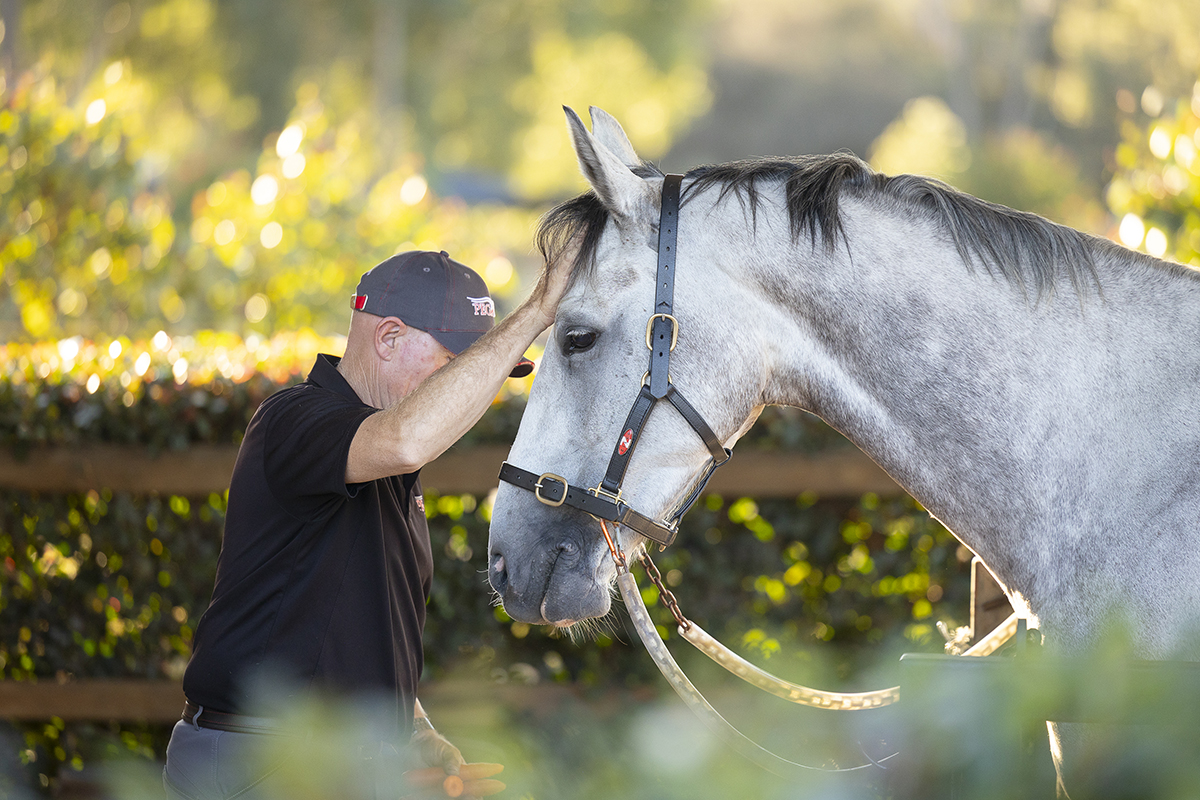
For many horse owners, supporting their horse’s digestive health is a priority. The incidence of gastric ulcers is high, and disruptions to hindgut pH are common. Therefore, it makes sense to consider digestive health and buffering as part of the feed program. Here we take a look at how we can reduce acid load in the gastrointestinal tract to maintain healthy function.
The stomach of the horse secretes acid as part of the natural process to break down feedstuffs. The different regions of the stomach have different ranges of acidity to suit the digestive secretions and mucosa of each region. However, with modern diets, combined with other environmental factors, there are situations where acid load becomes excessive. When too much acid builds up in the stomach, it can lead to ulcerations in the stomach lining.
Likewise, the hindgut of the horse is a sensitive environment enriched by populations of microorganisms that ferment fibre. These microbes produce short-chain fatty acids (an energy source) during the fermentation process. However, changes in diet or excesses in starch and fructans can cause a shift in the microbial balance that leads to a decrease in pH. A more acidic hindgut environment reduces fibro-lytic bacterial populations and can impair digestive function, leading to dysbiosis (a microbial imbalance) and, in some cases, increased gut permeability (leaky gut).
In short: reducing acid load in both regions of the digestive tract is important to maintain health.
Our partners at Kentucky Equine Research (KER) have extensively researched the many factors contributing to these disruptions, addressing both feeding management practices and feed additives. One particular advancement is KER BMC. KER BMC has been shown in research studies conducted by KER to serve as a potent buffer in both the stomach and large intestine.
Traditionally, calcium carbonate has been used as a source of calcium in feeds. It has some ability to buffer acid. KER BMC contains a unique, highly bioavailable organic calcium source combined with several bioavailable (chelated) minerals. Its greater digestibility and higher solubility at higher pH mean it provides greater buffering capacity throughout the digestive tract.
Gastric Buffer
Laboratory studies at KER have shown that KER BMC in horse feed increases buffering capacity 2.7-fold in acidic conditions typically seen in the stomach. In vivo studies further confirmed the buffering capacity of KER BMC, as horses fed sweet feed with KER BMC had greater gastric fluid pH one hour after feeding (6.2 vs 3.7) than those fed sweet feed alone. Excessive acidity is a major factor in the development of gastric ulcers in horses.
Hindgut Buffer
Excessive acid production in the large intestine can lead to hindgut acidosis. Hindgut acidosis often occurs in horses with high grain intakes or in horses grazing rich pasture. The milder symptoms of hindgut acidosis include poor appetite, loose manure, chronic colic and stereotypic behaviours such as wood-chewing and stall-walking. Acute hindgut acidosis can lead to intestinal damage and, potentially, laminitis. Research at KER has shown that horses given feed fortified with KER BMC have a 54% better capacity to buffer acids produced in the horse’s hindgut compared to the same unfortified feed.
How do we feed KER BMC?
Pegasus feeds contain KER BMC as an ingredient, making feeding simple and removing the need for multiple supplements. Horse owners feeding Pegasus can be confident their horses are not only receiving optimum nutrition but also the digestive support they need to promote and maintain health throughout the digestive tract.